Respiratory system is the most vulnerable system to be infected by the atypical bacterial and
mycobacterial infections because air borne pathogens can easily get to the system through
breathing. At any stage of our life when the immune system is weakened, the respiratory tract
can become infected.
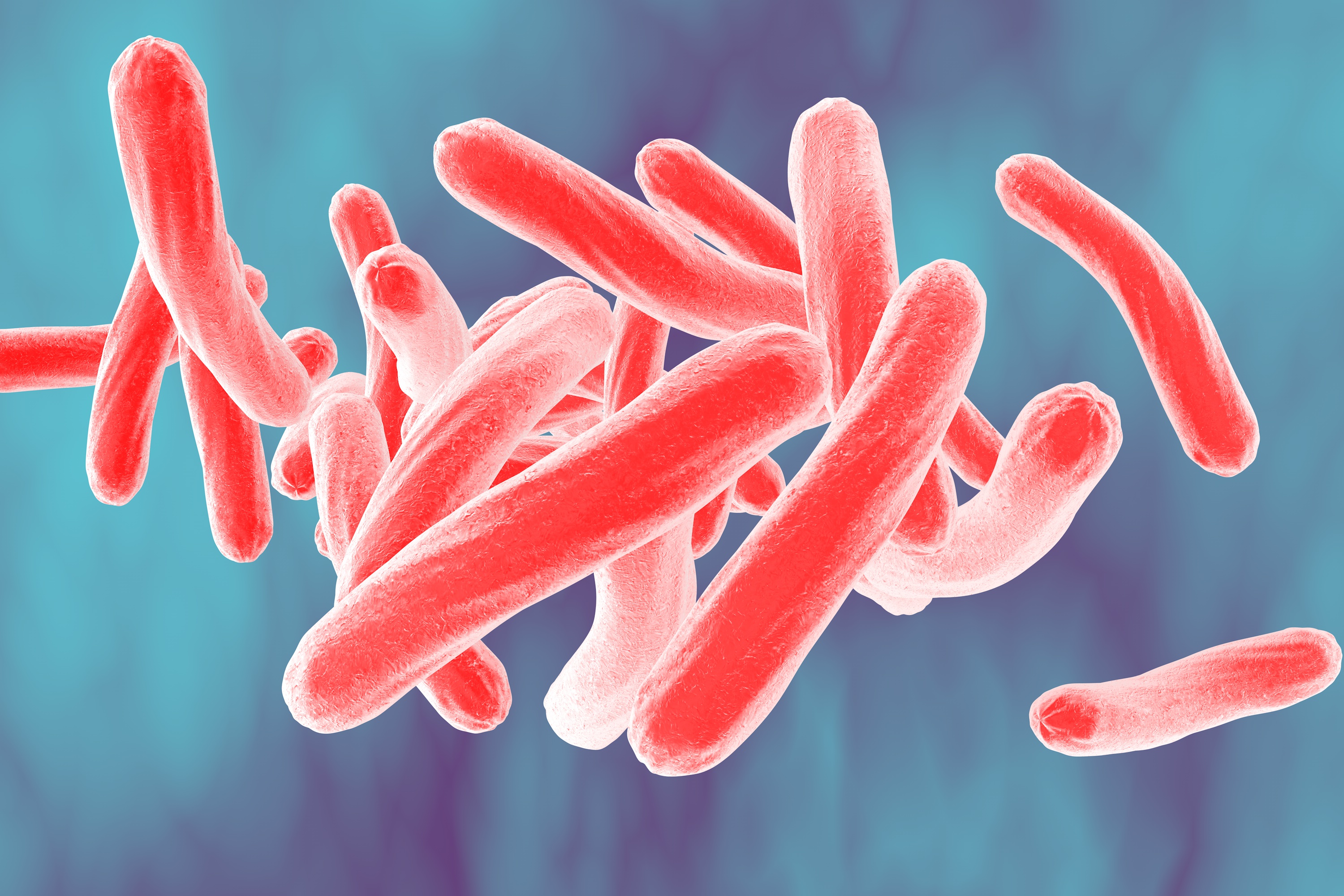
Mycobacteria are acid-fast bacteria that have a very thick, protective, waxy cell wall, which limits
their nutrient intake and therefore grow very slowly. The unique property of their cell wall
render them naturally resistant to a number of antibiotics that disrupt regular gram positive
bacterial cell-wall biosynthesis. Mycobacteria are obligate aerobes that can be found in the
throughout nature in soil, water, vegetables, and even in domestic animals and dairy products.
Mycobacteria include Mycobacteria tuberculous as well as nontuberculous mycobacteria (NTM)
such as Mycobacteria avium complex (MAC). NTM represent over 150 different species, most of
which do not seem to cause human disease except in individuals with a weak immune system.
Mycobacterial lung infection occurs when a person inhales the organism. Pulmonary infections
are most commonly due to Mycobacterium avium complex (MAC), Mycobacterium kansasii,
and Mycobacterium abscessus.
Nearly everyone is presumed exposed to NTM, yet most people do not become ill. For people
with weak immunity or when the load of the clinical exposure is high, a slowly progressive and
destructive disease can occur. Diagnosis of NTM lung disease is often difficult, because the
symptoms are similar to other lung diseases like COPD, bronchitis or bronchiectasis with severe
cough, fatigue, and weight loss.
Mycobacteria tuberculosis mainly infect lungs and cause TB with lung structure damage. The
bacteria can also infect CSF, urinary tract, lymphatic system and joints causing damage or
granulomas formation in these organs. Patients usually acquire the bacteria at a young age and it
takes many years to have symptoms manifest since they grow very slowly.
NTM pulmonary infections can cause lung inflammation with granulomas formation and tissue
damage. When NTM become intracellular inside the macrophage through phagocytosis process,
and the immune system can’t clear the pathogen from the system, the immune system reacts with
a Cell Mediated Immunity (CMI). The T cells and fibroblasts aggregate to form two layers
surrounding the infected macrophage to seal it inside a barrier from which it cannot escape and
granulomas are formed.
Research has found that Sarcoidosis can
be caused by NTM infections. The
granulomas can burst damaging the
nearby tissue and causing further
granulomas formation. The immune
system may also use an more
aggressive form of mycobacterioses
conferred by B cells. B cells can only act
upon infected bacteria if they are
extracellular and thus antibodies
produced by B cells are ineffective against mycobacteria that are hiding
inside macrophages. This can cause the immune system to become hyper sensitized. Patients
may exhibit asthma, allergies, sinus congestion and/or post-nasal drip. Patients may also
develop autoimmune conditions when the sensitized immune system begin attacking lung tissue
causing lung inflammation leading to pulmonary fibrosis.